How to Grow an Oak Tree from an Acorn: A Beginner's Step-by-Step Guide
An acorn fits in your palm. The tree it grows into can shade a garden for centuries. Growing one is not difficult, but it is not simply a case of pushing a nut into the soil and waiting, either. Acorns need moisture, a spell of cold, and careful handling of a long taproot that resents disturbance. Get those three things right and you will have a sturdy young oak in a pot by this time next year.
Choosing and collecting acorns
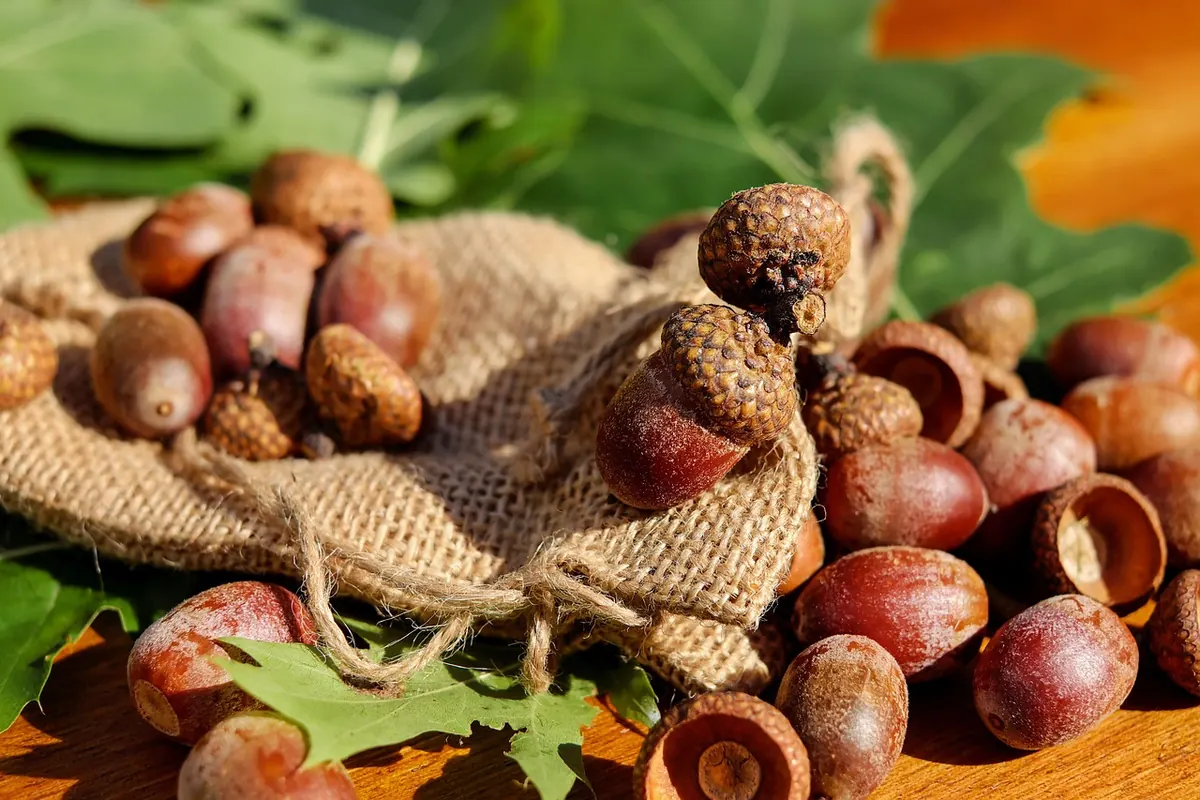
Acorns ripen in early autumn, usually from late September into October, and they fall over a few weeks. Collect from the ground rather than the branches — green acorns picked from the tree are not ripe and rarely germinate. Gather from a healthy tree with a decent straight trunk, and take far more than you need; losses are completely normal.
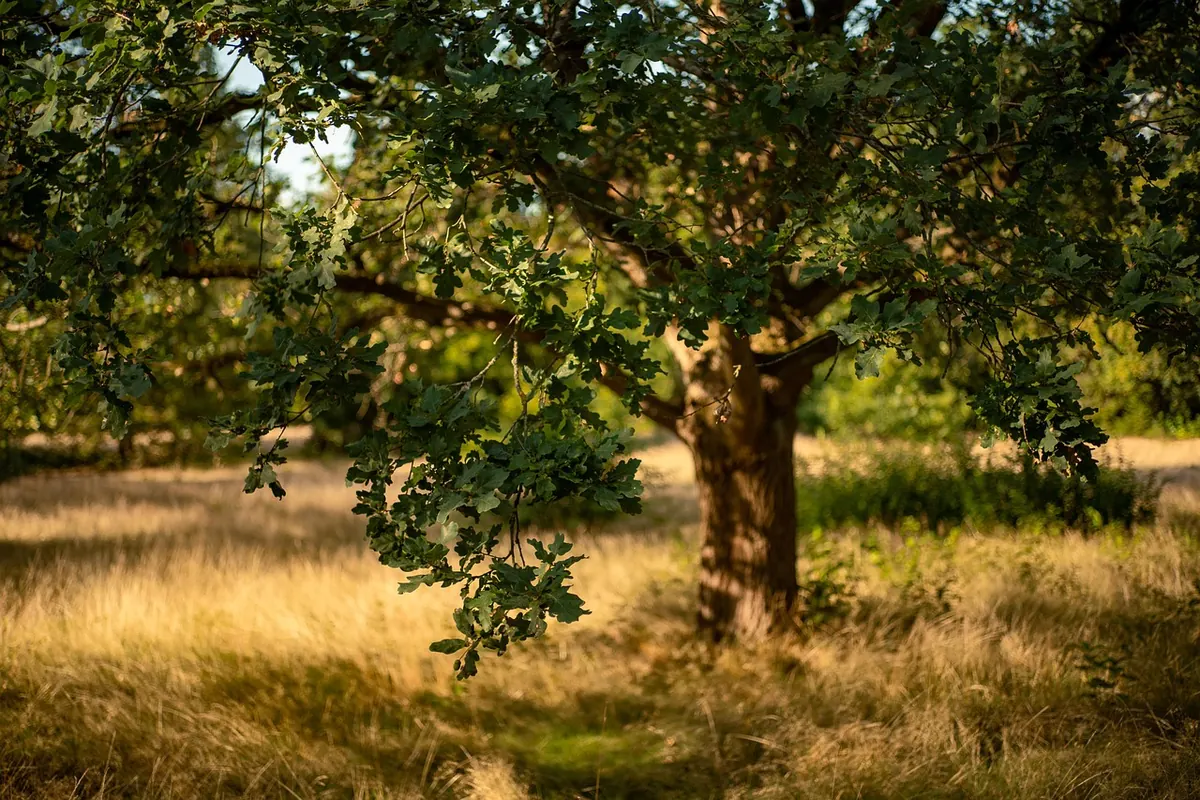
Two native oaks grow in Britain. Pedunculate, or English oak, hangs its acorns on long stalks; sessile oak sets them tight against the twig. Both grow happily from seed, so pick whichever tree you admire.
The float test
Drop the acorns into a bowl of water. Sound ones generally sink, while most floaters are hollow inside where a weevil grub has fed — you will often spot a neat round hole in the shell. Discard those. The test is not foolproof, so use your fingers as well: a good acorn feels firm and heavy, with a glossy brown shell, and separates cleanly from its cup. Anything light, dull, cracked or shrivelled goes on the compost heap.
Stratifying acorns: giving them a winter
Acorns are not like sunflower seeds. You cannot dry them in a jar and forget about them. They are alive, and once they dry out they die. In the wild they lie on damp ground through the cold months, and that chill is what breaks their dormancy. Your job is to copy it.
- Mix the acorns with barely damp compost, vermiculite or even kitchen paper — moist enough to feel cool, never wet enough to wring out.
- Seal them in a freezer bag or lidded tub with a few holes punched for air.
- Keep them in the salad drawer of the fridge at around 2–5°C for eight to twelve weeks.
- Check every fortnight. Remove anything mouldy, and plant any acorn that has pushed out a small white root tip straight away — that root is fragile.
There is a simpler route: sow in autumn, outdoors, in deep pots and let the weather do the work. Mice and squirrels will take an interest, so cover the pots with fine mesh.
Planting your acorns
- Use a deep pot — at least 20cm, and taller if you can find one. An oak sends down a taproot before it does anything else, and a shallow pot produces a coiled, useless root.
- Fill it with peat-free multipurpose compost mixed with grit or perlite for drainage. Oaks do not want rich soil.
- Lay the acorn on its side, roughly its own depth below the surface. Two centimetres is about right.
- Water gently and stand the pot in a sheltered spot or a cold frame.
- Keep the compost moist but never sodden, and expect shoots in spring — often four to eight weeks after the cold spell ends.
Caring for young seedlings
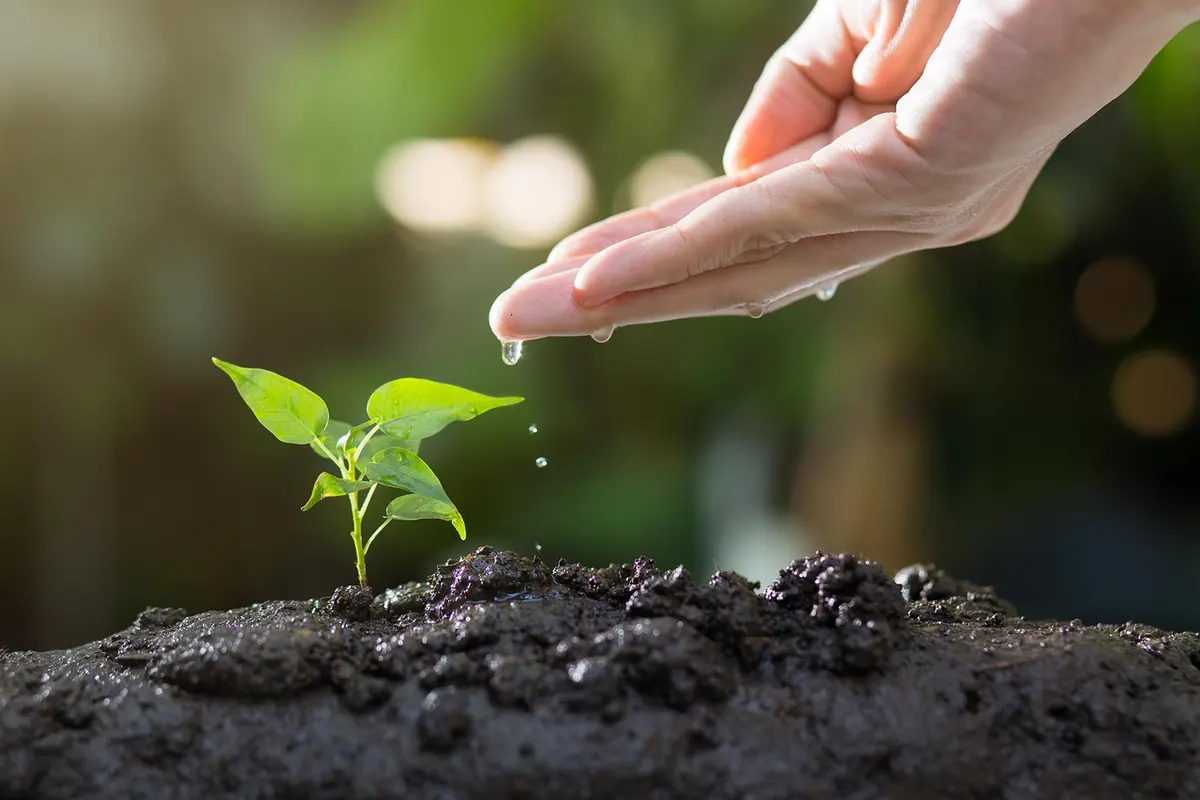
Once the leaves appear, move the pot into full light. Water when the surface of the compost begins to dry; standing in a saucer of water will rot the root. Oak seedlings are not hungry plants, so a weak liquid feed every few weeks through the first summer is plenty, and many do perfectly well without any.
Repot each winter, moving up one size, or plant out after a year or two. A seedling kept too long in a small pot will sulk for years afterwards.
Common problems, solved
- Mould in the fridge: the medium is too wet. Use less water and check more often.
- Nothing germinates: the acorns were probably duds, or they did not get a long enough cold spell. Try again with a bigger batch.
- Seedling collapses at soil level: damping off, caused by cold, wet, airless conditions. Improve ventilation and water less.
- Leaves sticky and curled: aphids. A squirt of water or a rub with your fingers usually settles it.
- Pot dug over, acorns gone: mice or squirrels. Mesh over the top works.
- White powder on the leaves in late summer: oak mildew. Common and usually cosmetic. Clear fallen leaves and keep the tree watered in dry spells.
Planting out: the long view
This is the part worth pausing over. An oak is not a shrub. A mature tree can spread 20 metres or more, and its roots travel further than most people expect, so keep it well clear of foundations, drains, boundary walls and overhead cables. Think about the shade it will cast in fifty years, and whether your neighbours will still welcome it.
Plant out between November and March, while the tree is dormant and the ground is neither frozen nor waterlogged. Water it in, mulch around the base, keep grass and weeds away, and fit a tree guard against rabbits and deer. Water through the first two summers. Stake only if the site is very exposed — a tree that has to sway a little grows stronger for it.
Acorns are not for eating, by the way. They are bitter, and they are best kept away from pets and grazing animals.
Starting something that outlives you
A first-year oak seedling is an unremarkable thing: a thin stem and a handful of lobed leaves. Growth speeds up once the roots are established, and a tree raised from seed in a back garden can end up as the best thing on the street. Write the date and the place you collected the acorn on a plant label now — you will forget both. Then water in dry spells, repot in winter, and let the seasons do the rest.
Photo: thophilong / Pixabay
You Might Also Like
Veteran oaks carry centuries of local history that is rarely written down. Here is how to photograph, measure and record one so your findings last.
A practical guide to starting a village oak club, from finding a founding group and planning walks, talks and seed swaps to running small conservation projects.