How to Identify Oak Trees in Winter: A UK Guide to Twigs, Buds and Bark
In winter, an oak is easy to spot as an oak and harder to name. Without leaves, you rely on twigs, buds, bark and the place where the tree is growing. English oak and sessile oak are the two native oaks in the UK, and once you know what to look for, they can usually be separated. Take a hand lens if you have one, and look closely at the twig tips.
Begin with the whole tree and its setting
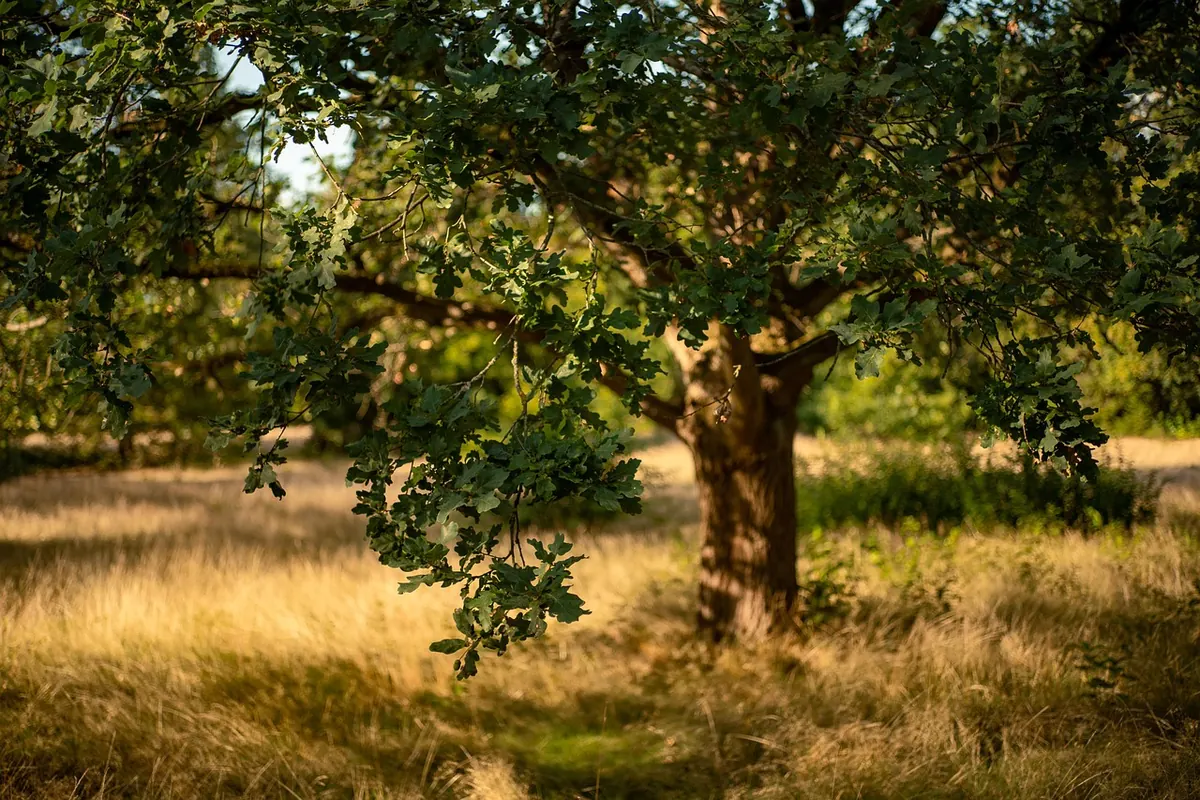
Before you snap a twig, step back. English oak often grows in lowland hedgerows, parkland, old pastures, and along rivers and streams. It tolerates heavy clay and damp ground. Sessile oak is more at home in upland woods, on acidic, sandy or rocky soils, especially in western and northern Britain. That is a clue, not a rule. The two overlap, and planted oaks can appear anywhere. But habitat narrows the odds.
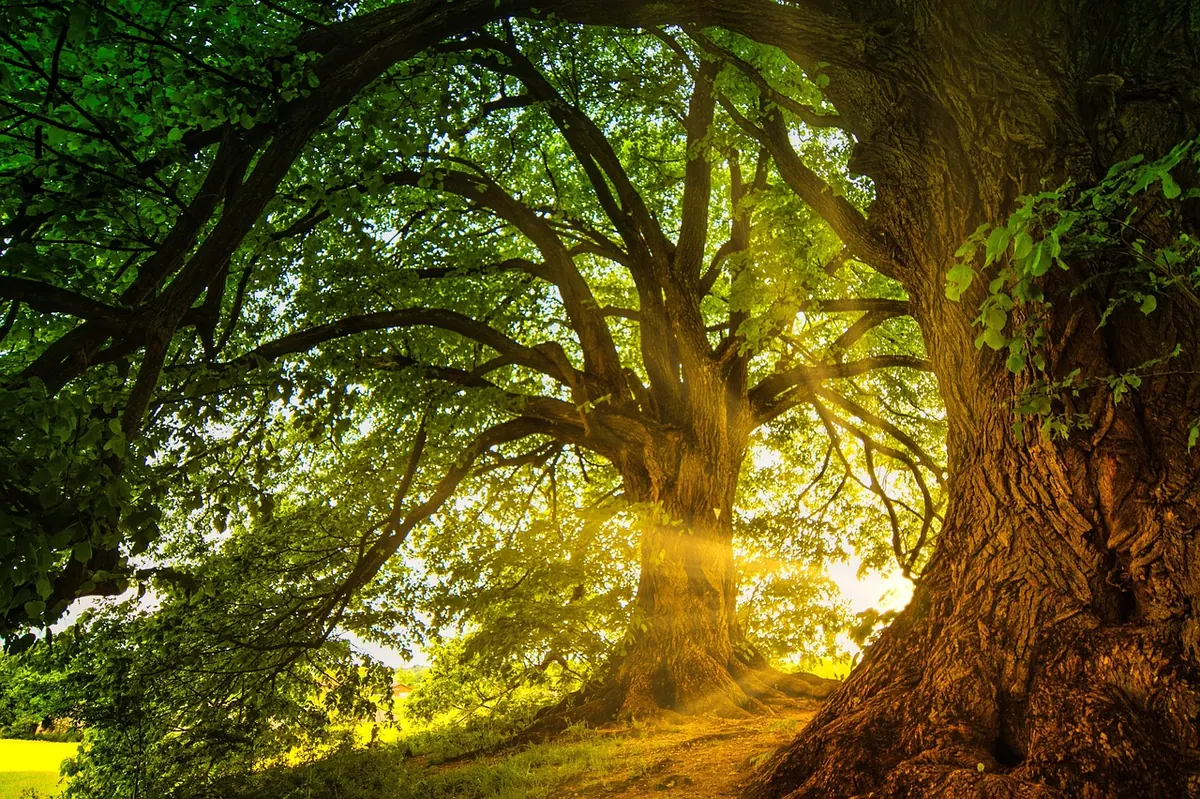
Look at the shape too. Mature English oaks often have a broad, rugged crown with heavy limbs. Sessile oaks can be straighter and taller in woodland, with a narrower crown. This is variable, especially in hedges or open-grown trees. Use it as a first impression, then confirm with twigs.
Twigs and buds: the most reliable winter clues
Oak twigs have a distinctive look: stout, slightly zig-zag, with buds clustered near the tip. The buds are covered in overlapping scales. To tell the two native species apart, check the shape, sharpness and arrangement of the terminal buds.
English oak (Quercus robur)
English oak buds are usually blunt and rounded, almost egg-shaped. The terminal buds sit in a cluster at the end of the twig, with several smaller buds around them. They are often a warm reddish-brown or grey-brown. The twigs themselves are fairly stout and grey-brown. If you rub a bud, it should feel firm and smooth, not sticky.
Sessile oak (Quercus petraea)
Sessile oak buds tend to be more pointed and slender, though still ovoid. The terminal cluster is often less crowded, and the buds may sit more upright on the twig. Twigs are usually more slender and greyer than English oak. In good light, the scales can look slightly paler at the edges. These differences are subtle, so compare several twigs from the same tree, not just one.
- English oak: blunt, rounded buds; stout grey-brown twigs; clustered tips.
- Sessile oak: pointed, slender buds; more slender grey twigs; less crowded tips.
- Both: buds in overlapping scales, with a cluster at the twig tip.
- Check several: hybrid oaks can sit between the two.
Bark: useful, but not a shortcut
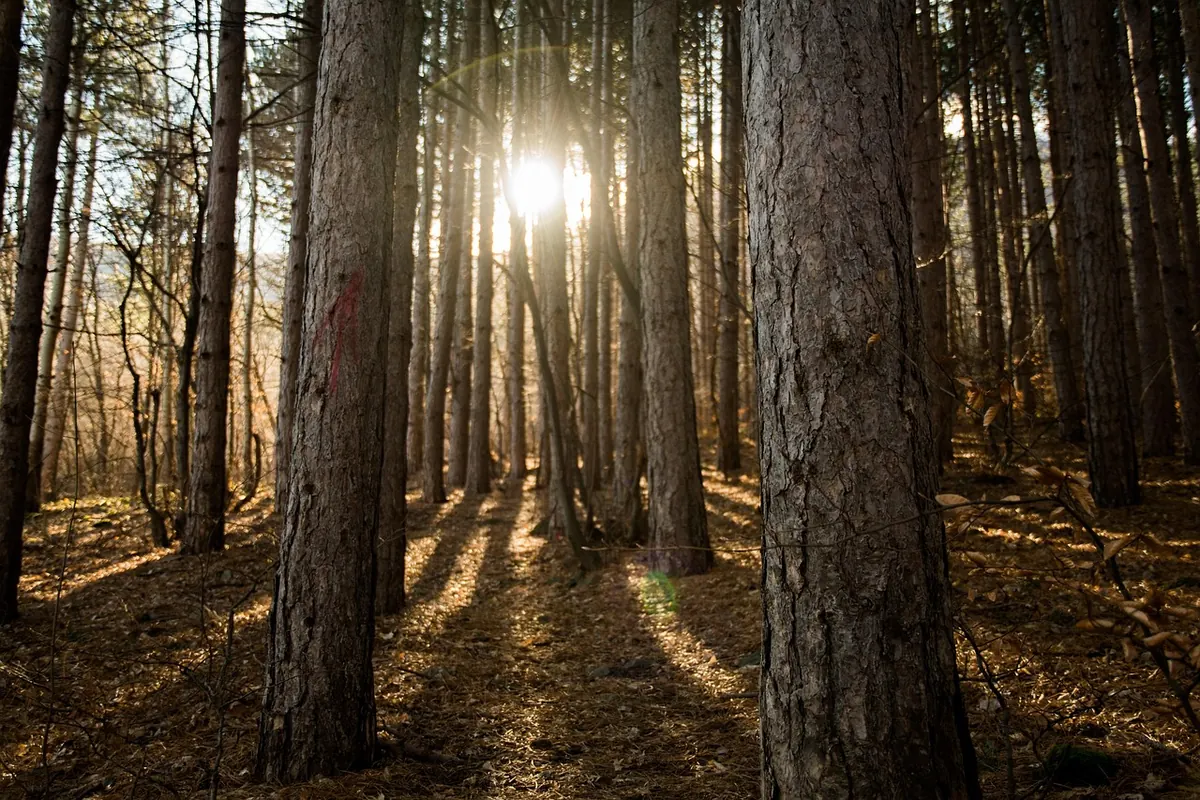
Oak bark is grey-brown and deeply fissured on mature trees. English oak often develops thick, rugged ridges and deep vertical cracks. Sessile oak bark is typically smoother for longer, with shallower fissures and a more regular, plated look. On old trees, these differences blur. Soil, exposure and age change bark more than species sometimes.
Use bark with other clues. If you see a tree with deeply ridged bark and blunt clustered buds in a damp lowland hedge, English oak is likely. A straighter upland tree with smoother bark and pointed buds points to sessile oak. Do not rely on bark alone.
Dead leaves and acorn cups
Winter oaks often hold a few dead leaves, especially young trees and lower branches. These marcescent leaves can be surprisingly helpful. English oak leaves have a very short stalk, often only a few millimetres, and tiny ear-like lobes called auricles at the base. Sessile oak leaves have a longer stalk, usually one to two centimetres, and no auricles. The leaf shape is similar, so look at the stalk and base.
On the ground, old acorn cups tell the story. English oak acorns hang from a long stalk, so the empty cups may be found on a peduncle several centimetres long. Sessile oak acorns sit directly on the twig, so cups are attached with little or no stalk. In winter, cups may be scattered or caught in leaf litter. This is one of the clearest clues if you can find it.
Habitat and ground clues
Put the tree in context. English oak is common in hedgerows, village greens, parkland and floodplain woods. It likes heavy, neutral to slightly acidic soils and can cope with seasonal waterlogging. Sessile oak favours well-drained, acidic soils and is more frequent in upland oakwoods, on valley slopes and in the wetter west. In many parts of the Midlands and south, English oak is the default hedgerow oak. In Wales, the Lake District and western Scotland, sessile oak is more likely in woodland.
Ground flora helps too. Bluebells, wood anemone and dog's mercury suggest ancient woodland, but they do not separate the oaks. Bracken, bilberry and heather often point to acidic upland sites where sessile oak is more likely. Again, these are hints. Planted trees and hybrids break the pattern.
Hybrids and when to stop worrying
English and sessile oaks hybridise freely where they grow together. The hybrid, Quercus x rosacea, can show a mix of features: buds that are neither blunt nor sharply pointed, leaves with intermediate stalks, and acorns on short or medium stalks. If a tree seems ambiguous, it may well be a hybrid. That is normal. Record the features you can see, note the location, and enjoy the puzzle.
For most woodland walks, you do not need a definitive answer. Knowing it is a native oak is enough. But if you are surveying or planting, aim for several consistent features rather than one.
A practical winter ID walk
Try this sequence when you meet an oak in winter:
- Step back and note the habitat: lowland hedge, parkland, upland oakwood or wet floodplain.
- Look at the tree's shape and bark, but treat them as supporting clues.
- Pull down a low twig or use fallen branches. Check the terminal buds: blunt and clustered, or pointed and slender?
- Look for dead leaves. Check the leaf stalk and base for auricles.
- Search the ground for acorn cups. Is there a long stalk or none?
- Compare at least three twigs from the same tree. If features conflict, suspect a hybrid.
Winter identification is a skill of small details. Take your time, carry a hand lens, and revisit the same trees through the year. The more oaks you examine, the faster the differences become familiar. And if you are unsure, a clear photograph of a twig tip, a bud close-up, bark and the tree's setting will help any local recorder or tree group.
Photo: Couleur / Pixabay

You Might Also Like
Veteran oaks carry centuries of local history that is rarely written down. Here is how to photograph, measure and record one so your findings last.
A practical guide to starting a village oak club, from finding a founding group and planning walks, talks and seed swaps to running small conservation projects.