Starting an Oak Club in Your Village: A Step-by-Step Community Guide
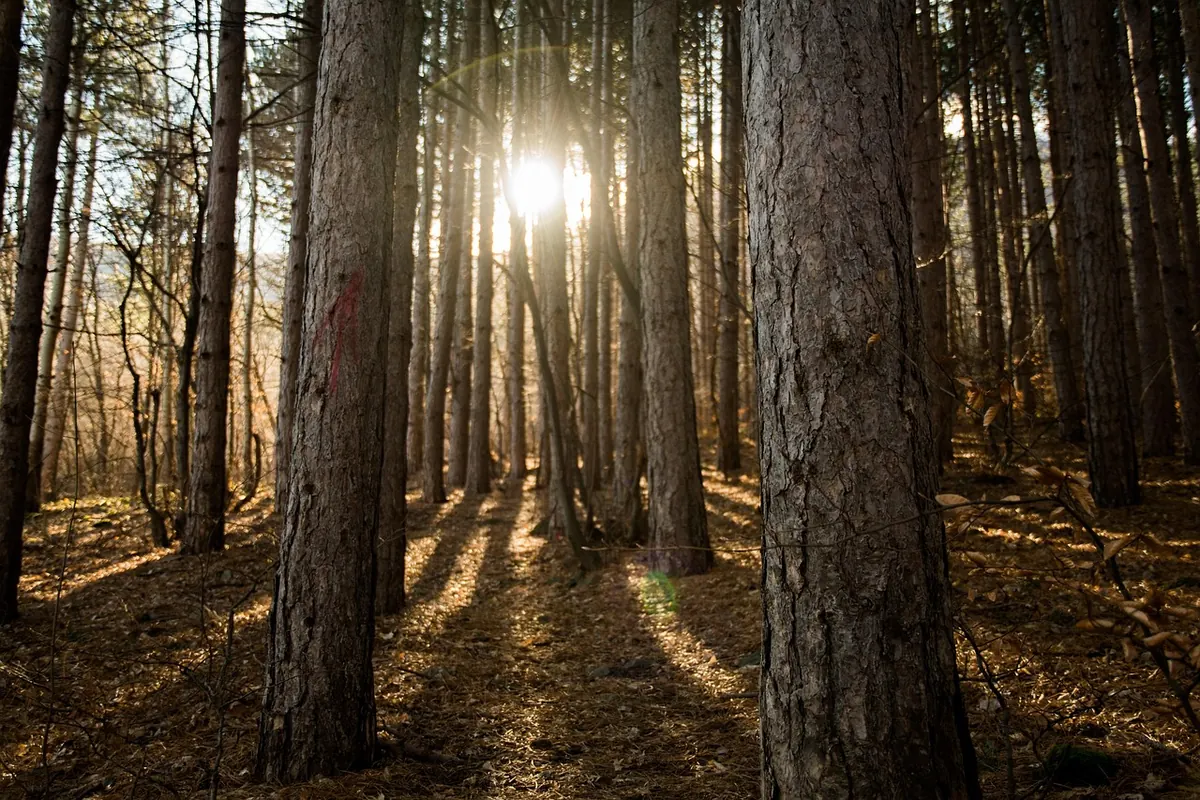
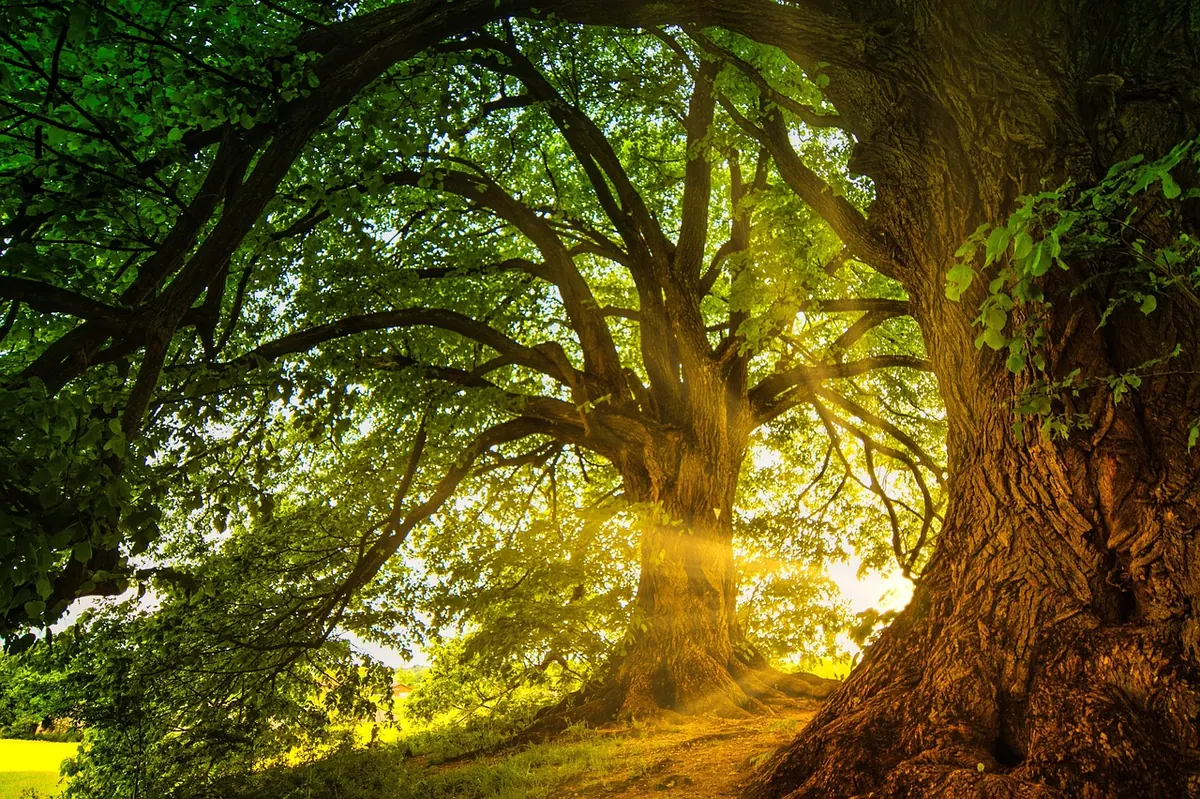
There is probably an oak near you that everyone knows. The one on the green, the boundary tree at the end of the lane, the old pollard in the corner of a field. Starting an oak club begins with that tree, a few curious neighbours and a willingness to meet regularly. You do not need a committee, a constitution or a grant. You need a date, a place and someone to put the kettle on.
Find your anchor oak
Before you write a constitution, decide what your club is for. Most successful village groups have a simple focus: to notice, learn about and look after oaks. That can include any mix of walks, talks, seed swaps and conservation. Choose an anchor oak as your informal emblem. It gives people something to gather around and a practical starting point.
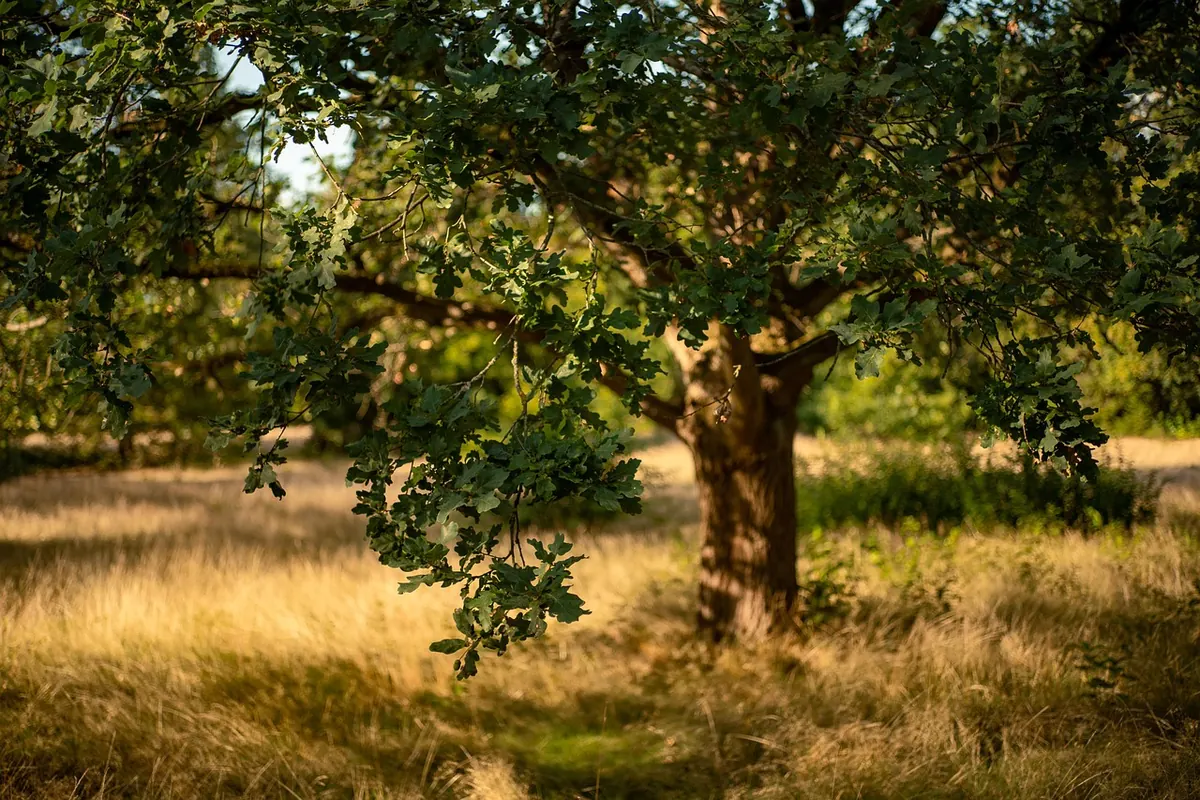
Ask the landowner or council if you can hold a short meeting near it. If access is tricky, use a village hall or pub and visit the tree on a walk. Learn its species: pedunculate oak (Quercus robur) has acorns on stalks and leaves with very short stalks; sessile oak (Quercus petraea) is the other way round. Hybrids occur, so do not worry if a tree seems to sit between the two.
Gather three or four people first
A club of forty sounds impressive, but it is hard to organise. Start with three or four people who will turn up. Mention the idea in the parish newsletter, on the village noticeboard, in the local shop and in any community Facebook or WhatsApp group. Keep the first meeting informal: a pint, a coffee, a walk. Ask what people want. Some will want to learn identification. Others will want to plant trees, record ancient oaks or simply walk and talk. Write down the ideas. Choose a name, even a provisional one. “Oak Club” is fine. If you want to be more specific, use your village or a local landmark.
Plan a year of gatherings
A predictable rhythm helps. Aim for one gathering a month, or one every six weeks, and keep it varied.
Walks
A two-hour walk in spring, summer and autumn. Look at leaf shape, acorns, galls such as oak apples and knopper galls, and the birds and insects using the tree. Invite someone who knows more than you do, or learn together with a field guide. Keep the pace slow. A walk of half a mile can be plenty if people are looking closely.
Talks
Ask a local naturalist, woodworker, forester or historian. Good topics include oak woods through the seasons, traditional coppicing and pollarding, oak timbers in old buildings, or the wildlife that depends on oak. A talk can be 30 minutes with questions, held in a hall or pub back room. If you cannot find a speaker, run a “show and tell” evening where members bring photographs, leaves, acorns or a favourite book.
Seed swaps
In autumn, collect acorns from local oaks. Bring them to a swap. Label where they came from and when they were collected. Share growing advice. This is often the easiest activity to run and the most popular with families.
Conservation projects
Plant a small copse, guard young trees, clear competing vegetation, or survey veteran trees. Work with the landowner and keep the tasks modest. An afternoon of planting ten oaks is better than an ambitious plan that never happens.
Make seed swaps the heart of the club
Acorns are easy to collect and share. Gather from healthy local oaks in September and October, when they fall. Pick acorns without holes; small holes often mean weevil damage. A simple float test in water can help: acorns that sink are more likely to be viable, but it is not foolproof. Plant them straight away in deep pots of free-draining compost, about 2–3 cm deep, and keep them outdoors under netting or in a cold frame to stop mice and squirrels. Label everything.
- Date and place of collection
- Oak species, if known (pedunculate, sessile or hybrid)
- Parent tree notes: single tree, hedge, parkland or woodland
- Your name and contact
At the swap, offer acorns, young saplings, pots or advice. Ask people to grow on only what they can care for, and to plant out with the landowner’s permission. If you are moving oak plants or acorns between areas, check current guidance from the Forestry Commission or APHA, particularly for oak processionary moth. Biosecurity matters: clean boots, tools and pots.
Conservation that suits your patch
You do not need a woodland to help oaks. Small actions add up.
- Plant a hedgerow with oak, hazel, hawthorn and field maple, if the landowner agrees.
- Create a beetle bank or log pile near an existing oak.
- Record ancient, veteran and notable oaks. Note trunk girth, deadwood, hollows and fungi.
- Join a local tree warden scheme or woodland survey if one exists.
- Protect young trees with sturdy guards and mulch mats, and keep grass down for the first few years.
Always ask before planting or cutting. On council land, speak to the parish council or local authority. On private land, get written permission. Avoid planting oaks too close to buildings, drains or overhead wires. Space them according to the site; a large oak needs room.
Practical matters: money, permissions and insurance
Keep it simple. A small annual subscription, a donation tin or a plant sale can cover hall hire, printing and refreshments. Open a basic bank account if you handle more than a few pounds, and keep a simple record of income and spending. If you organise public events, check whether you need public liability insurance; many village halls require it. For anything involving health and safety, risk assessments for walks and planting days are sensible. This is general advice, not legal or financial advice, so seek professional guidance if you are unsure.
Your first season: a simple action plan
- Month 1: Talk to three or four people. Book a pub table or hall for an initial meeting.
- Month 2: Hold the meeting. Agree a name, a rough aim and a date for a spring walk.
- Month 3: Advertise the walk on the noticeboard, newsletter and local social media.
- Month 4: Run the walk. Take a notebook. Note what people enjoyed.
- Month 5: Plan a talk and an autumn seed swap.
- Month 6: Collect acorns, swap them, and agree one small conservation task for winter.
After a year, review what worked. Drop what did not. The best oak clubs are not the ones with the most members or the grandest plans. They are the ones that meet again. Start with one tree, one walk and one kettle. The rest grows from there.
Photo: Kindel Media / Pexels
You Might Also Like
Veteran oaks carry centuries of local history that is rarely written down. Here is how to photograph, measure and record one so your findings last.
A practical guide to traditional oak framing workshops, covering the tools you will handle, the joints you will cut, safety rules and exactly what to bring on the day.