Why Oak Trees Matter for UK Wildlife: A Month-by-Month Wildlife Calendar
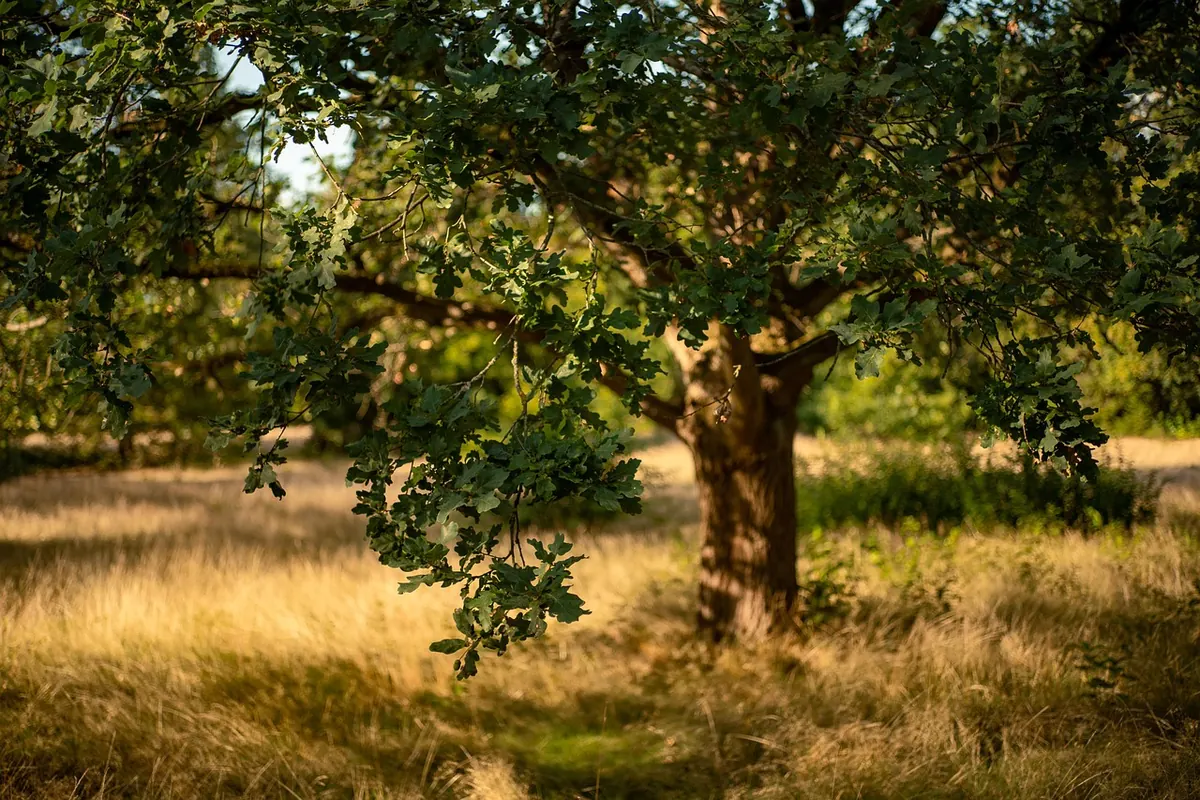
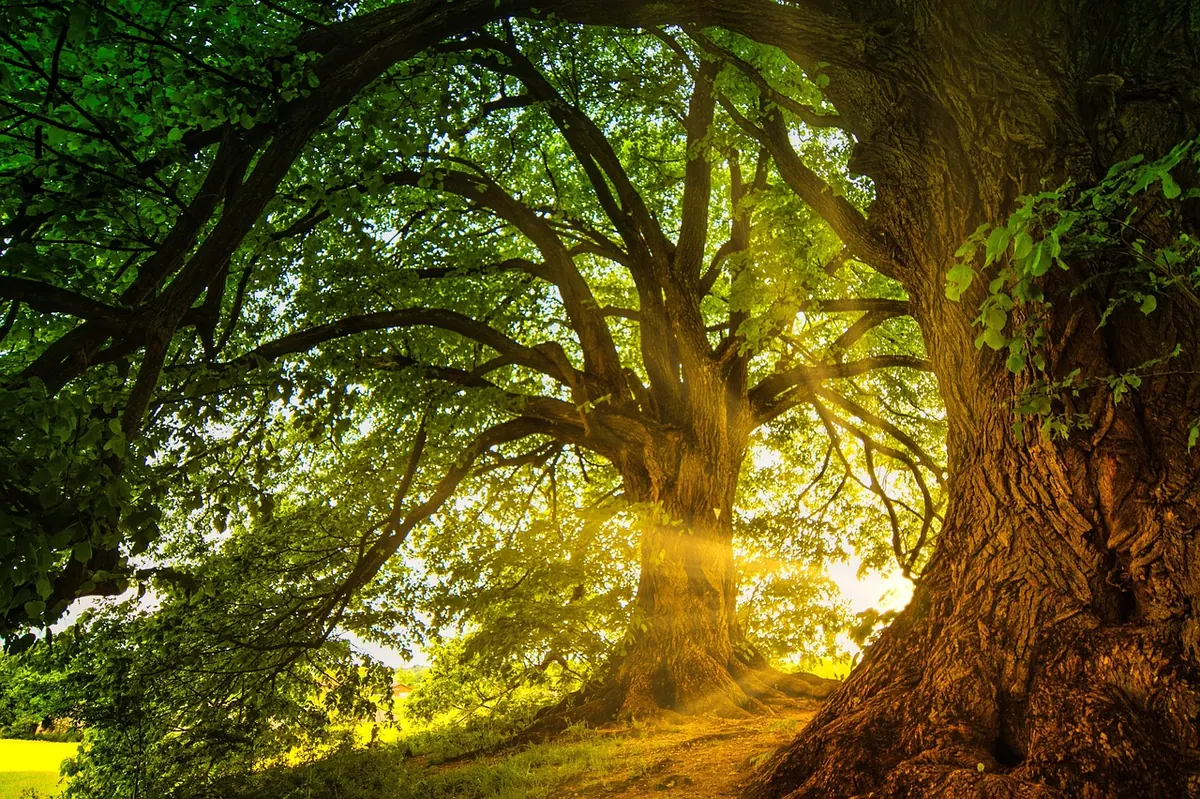
A mature oak is not really one tree. It is a neighbourhood: a canopy full of caterpillars, a trunk of crevices and rot holes, a litter layer of slowly decaying leaves, and a root plate threaded with fungi. Oak supports more insect species than any other native British tree, and that abundance ripples upwards. Birds, bats, small mammals and specialist fungi all gather around it. Here is what happens on an oak through the year, and how to watch it closely without disturbing anything.
Why oaks hold so much life
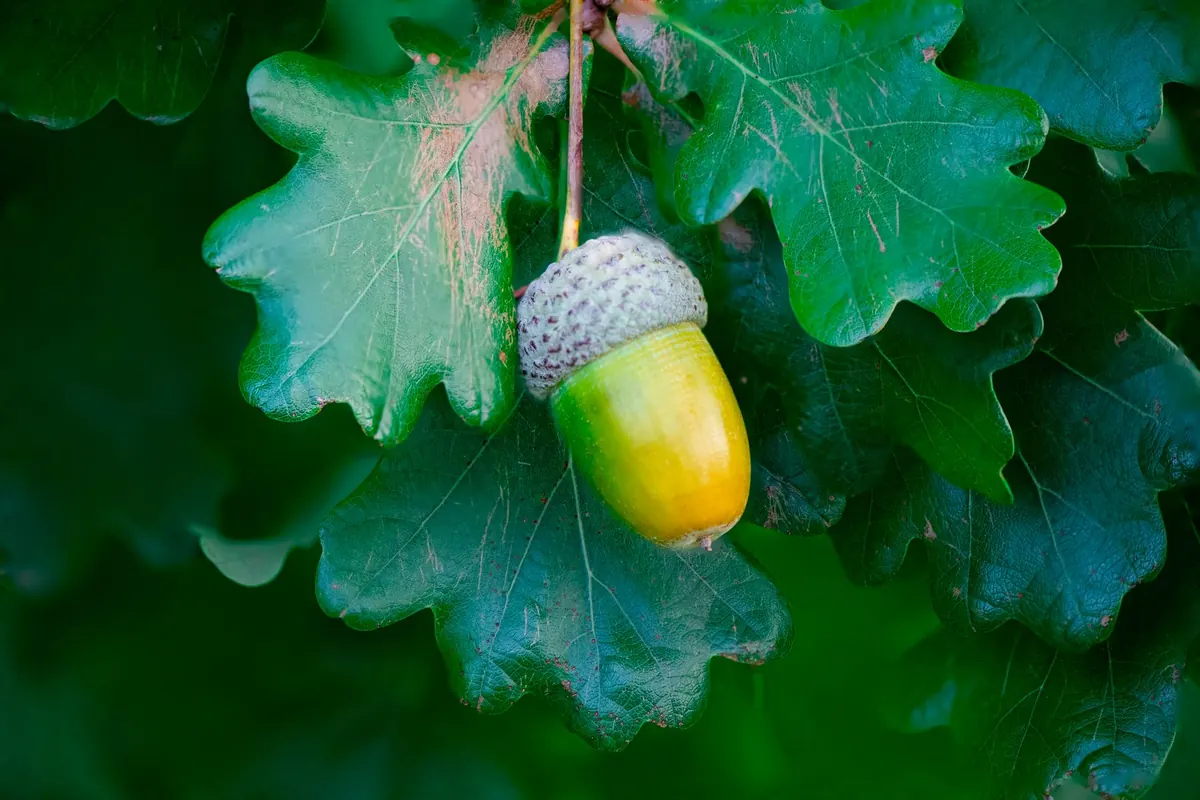
Two natives do most of the work. Pedunculate oak (Quercus robur) is the common oak of hedgerows and heavy clay, with acorns on stalks and leaves that sit almost directly on the twig. Sessile oak (Quercus petraea) prefers thinner, more acidic soils, and holds its acorns tight against the shoot. You will find hybrids where the two meet, which keeps identification interesting.
Age matters as much as species. A young oak is useful; a veteran with hollows, dead limbs, bleeding sap runs and deep bark fissures is irreplaceable. Rot holes and pockets of decaying wood support beetles, flies and fungi that live almost nowhere else, and the bats that roost in them need warmth and quiet. When a storm drops a limb, the timber on the ground is still habitat. Leave it where it is if it is safe to do so.
The oak year: what to look for and when
Spring (March to May)
Catkins appear in April and May, usually just as the buds break. They are wind-pollinated, so there is no scent to attract you and nothing to attract bees, but they turn the canopy a soft yellow-green for a fortnight. Oak generally comes into leaf later than ash, hawthorn and birch, which is one reason its caterpillars and the birds that feed on them can be so tightly synchronised.
Watch the canopy in May on a still morning. Blue and great tits work through the new leaves after caterpillars, while nuthatches and treecreepers search the trunk. Look for rot holes and old woodpecker excavations being inspected by hole-nesting birds. If you are out at dusk, this is when bats begin using hollow trees again after winter.
Summer (June to August)
Leaf damage is everywhere now, and that is a good sign, not a problem. Rolled leaves, blotch mines, nibbled edges and sticky honeydew all mean the tree is feeding something. Ants climbing the trunk are usually farming aphids in the canopy.
The purple hairstreak is the butterfly to look for. It spends almost its whole life in the oak tops and rarely comes down, so scan the canopy at dusk or on a warm, still evening for silvery-purple fluttering above the leaves. Later in summer, look for sap bleeding from a damaged trunk or branch; red admirals, commas, wasps and hornets all come to feed on it.
In south-east England, check oaks for oak processionary moth: white, silky webbing on trunks and branches from around June. The caterpillars' hairs cause skin and eye irritation, so never touch a nest or the caterpillars, keep children and dogs clear, and report sightings to the relevant plant health authority or your council.
Autumn (September to November)
Acorns ripen and disappear fast. Jays carry them away and bury them, which is how oaks spread across a landscape; grey squirrels, wood mice, voles, deer and wood pigeons take the rest. Pick up a fallen acorn and look for a neat round hole — that is the exit of an acorn weevil, which developed inside. Knopper galls, the crinkled ridged growths that replace acorns, are the work of a gall wasp and can take a good share of the crop.
Leaf litter is the most underrated part of the tree. Woodlice, millipedes, springtails and beetle larvae break it down through autumn and winter, and song thrushes and blackbirds work through it for invertebrates. Fungi appear too: beefsteak fungus on trunks, oak milkcap under the canopy, and sometimes a hen-of-the-woods fruiting from the base of an old tree.
Winter (December to February)
With the canopy bare you can finally see the architecture: splits, hollows, dead limbs, old nests, squirrel dreys, and sometimes mistletoe. Lichens and mosses become obvious on the bark, and some of them are good indicators of clean air and long-established woodland. Young oaks and hedgerow oaks often hold their dead brown leaves well into winter, a habit called marcescence.
On mild, damp evenings, take a torch and look at the lower trunk — wingless female winter moths climb up to lay their eggs, which is one reason tits patrol trunks so thoroughly in late winter. Keep visits short and quiet; bats hibernating in fissures and hollows must not be woken.
Ten minutes at a single tree
If you want a proper sense of what one oak holds, pick one and work through it in this order:
- Trunk: burrs, splits, sap runs, tiny round exit holes, and loose bark to look under — harvestmen, spiders and hibernating ladybirds.
- Canopy: look up against the sky for nests, dreys and clumps of retained leaves.
- Leaf undersides: galls, eggs, mines and caterpillars. Use a hand lens.
- Ground at the base: owl pellets, fungi, holes and runs of small mammals, molehills nearby.
- Litter: turn a handful of leaves over in your palm. Pupae, tiny snails, springtails and beetle larvae appear within seconds.
- Acorns: weevil holes, gnawed shells and gall growths tell you what has been feeding.
Practical ways to help
Most of the useful work is about leaving things alone and being careful with what you plant.
- Leave dead wood, standing and fallen, in place where it is not a safety risk.
- Keep leaf litter under the tree rather than clearing or burning it, and avoid strimming close to the trunk.
- Leave ivy on a healthy oak. It flowers late, provides roosting cover, and does not smother a vigorous tree.
- Grow native oak from acorns collected locally rather than bringing in plants, and never move soil, acorns or saplings long distances — pests and diseases travel with them.
- Prune only in winter, partly to avoid disturbing nesting birds, and use a qualified arborist for anything above head height.
- Report oak processionary moth where you see it, and flag oaks with dark bleeding patches and thinning crowns to a local tree officer or the relevant forestry authority.
- Record what you find on a national recording scheme. The distribution maps are built almost entirely from volunteer sightings.
An oak takes decades to become interesting and centuries to become irreplaceable. Looking at one properly, and leaving what falls around it, is the simplest form of conservation most of us can practise.
Photo: @coldbeer / Pexels
You Might Also Like
Veteran oaks carry centuries of local history that is rarely written down. Here is how to photograph, measure and record one so your findings last.
A practical guide to starting a village oak club, from finding a founding group and planning walks, talks and seed swaps to running small conservation projects.